
Why I Am Considering the Oura Ring 5 for Sleep Tracking
I am late to the Oura Ring party. But the new Ring 5 may finally convince me to show up, mostly because I want better clues about what is happening while I sleep.
Why sleep is the part that interests me
I know a lot of people who love their Oura Ring. I have watched from the sidelines, nodded politely at their readiness scores and continued using my deeply scientific method of deciding whether I slept well: Did I wake up before my alarm, or did I consider throwing it across the room?
The part that may finally get me to buy one is sleep tracking. I already do many of the things we are told support good sleep: a dark room, a cool temperature, a consistent schedule, Do Not Disturb and a sound machine. I even do yoga at night. Very responsible of me.
But doing the healthy things and knowing how your body responds to them are different. I want to see whether my sleep changes after a late meal, a stressful day, a glass of wine, an evening workout or a bedtime that slowly creeps later during the week. That kind of information could be useful.
What the Oura Ring 5 actually tracks
Oura says the Ring 5 tracks more than 50 health metrics. For sleep, it estimates total sleep time, bedtime regularity, nighttime movement and time spent in light, deep and REM sleep. It also follows signals such as heart rate, heart rate variability, breathing, blood oxygen and temperature trends. Those measurements feed the Sleep, Activity and Readiness scores you see in the app. [1]
The Ring 5 is made of titanium, is water resistant to 100 meters and has an advertised battery life of about six to nine days, depending on ring size and use. It starts at $399. [1]
There is also a membership to remember. New members receive one free month, and the U.S. price is currently $5.99 per month or $69.99 per year for the detailed data and personalized insights. Without an active membership, the app experience is much more limited. [2]
The useful part is the trend
One night's score is interesting. A month of data is more useful.
That is how I would approach any wearable. I would not panic because my ring gave me a less-than-glowing review on Tuesday morning. I would look for repeatable connections between my habits and how my body responds.
The first three things I would watch are:
Sleep timing and consistency. Am I going to bed and waking up around the same time, or is my schedule quietly all over the place?
My personal heart rate and HRV trends. The goal is not to compete with someone else's number. It is to notice meaningful changes from my own baseline.
What happened before bed. Late food, alcohol, stress, travel and exercise can all become useful context when I tag them consistently and compare them with the next morning's data.
The ring does not fix any of those habits for me. It may simply make the effects harder to ignore.
How accurate is Oura sleep tracking?
Data only matters if you do something with it
Here is the honest answer: promising, but not perfect. A wearable is still estimating sleep from signals collected at your finger. It is not measuring brain activity the way a full clinical sleep study does.
A 2024 study compared the Oura Ring Generation 3 sleep algorithm with multi-night polysomnography, the clinical standard for measuring sleep. The researchers analyzed 96 participants and more than 421,000 thirty-second sleep epochs. The ring performed well when estimating sleep and sleep stages across multiple nights, but it did not match the clinical test perfectly. [4]
Another home-based study of 35 healthy adults compared Oura's nighttime heart rate and heart rate variability measurements with a medical-grade electrocardiogram. Nightly heart rate and one common HRV measure, RMSSD, showed good accuracy, while some other HRV measurements had larger errors. [5]
One important limitation: those published studies evaluated earlier Oura generations, not the brand-new Ring 5 itself. Oura says the new hardware is more precise, but the Ring 5 has not had the same amount of time to accumulate peer-reviewed validation specific to this model. That does not make the data useless. It means I would use it as a clue, not a diagnosis.
Data only matters if you do something with it
This is the part I think we miss with health trackers. More data does not automatically create better health. Sometimes it only creates more things to check before breakfast.
In a 12-month randomized study, 56 participants wore an Oura Ring. The group that also received personalized education and feedback improved several sleep and activity measures more than the group that received general wellness education. The researchers' larger point was simple: the wearable became more useful when someone helped turn the numbers into specific actions. [6]
That is also what interests me about Fullscript's Oura connection. If a client chooses to sync the ring with Fullscript, I can see longer-term trends in sleep, activity, stress, heart rate and recovery. The data does not replace symptoms, conversations or appropriate testing. It gives us another piece of the picture between visits. [3]
So is the Oura Ring 5 worth it?
I have not purchased one yet, so I am not going to pretend this is a review. I am still deciding.
I think it could be worth it for someone who enjoys data, will wear it consistently and is willing to test small habit changes instead of only admiring the graphs. It may not be worth it if another score will make you anxious, if you know you will forget to wear it or if the ring plus an ongoing membership does not fit your budget.
My deciding question is not, ‘How much can it track?’ It is, ‘Will the information help me make a better decision tomorrow?’
If the answer is yes, the ring may be a helpful tool. If the answer is no, your money may be better spent on a darker bedroom, an earlier bedtime or a very good pillow.
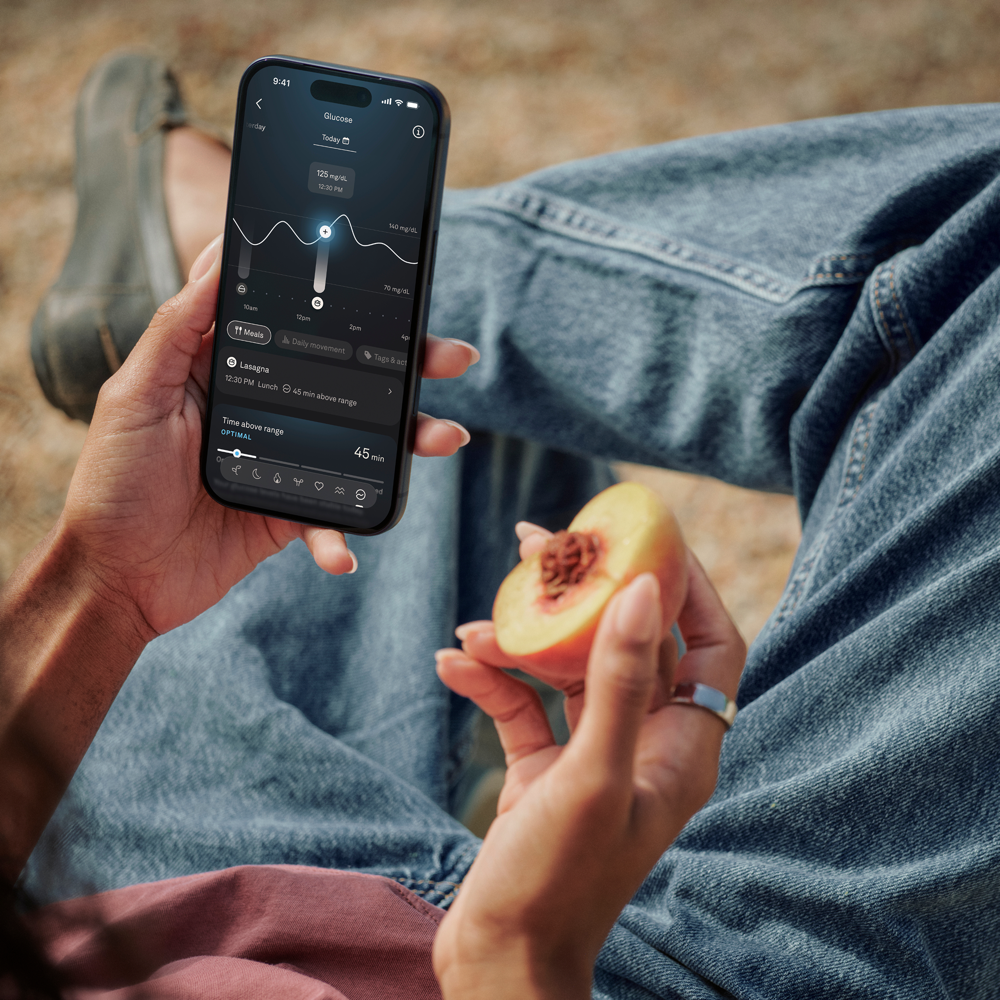
Save 10 percent on the Oura Ring 5
If you are ready to try it, the Oura Ring 5 is currently available for 10% off through my Fullscript dispensary. You can create a Fullscript account for free, purchase the ring and choose whether to connect your data. [3]
Shop the Oura Ring 5 through my Fullscript dispensary
Disclosure: This post includes a link to my Fullscript practitioner dispensary. If you purchase through it, I may earn a commission at no additional cost to you. I only share products I genuinely use, am considering, or believe may be useful.
Sources
1. Oura. Oura Ring 5 product details and technical specifications. Read the official Oura Ring 5 specifications
2. Oura Member Care. Oura Membership. Updated September 8, 2026. Review current Oura membership pricing and features
3. Fullscript. Oura integration for patients and practitioners. Read about the Fullscript Oura integration and patient savings
4. Svensson T, et al. Validity and reliability of the Oura Ring Generation 3 with Oura Sleep Staging Algorithm 2.0 compared with multi-night ambulatory polysomnography. Sleep Medicine. 2024;115:251-263. View the Oura sleep validation study on PubMed
5. Kwon S, et al. Accuracy assessment of Oura Ring nocturnal heart rate and heart rate variability in comparison with electrocardiography. JMIR. 2022. View the heart rate and HRV validation study on PubMed
6. Browne JD, et al. Lifestyle modification using a wearable biometric ring and guided feedback improve sleep and exercise behaviors. Frontiers in Physiology. 2021;12:777874. Read the randomized wearable and coaching study
About the Author
Monirah is a certified functional diagnostic nutrition practitioner (FDN-P), entrepreneur, speaker, and founder of MŪN WELL. She helps adults cut through wellness hype and use real food, personalized nutrition, and sustainable habits to feel better from the inside out.
Health Disclaimer
This article is for educational purposes only and is not medical advice. Consumer wearables can provide helpful wellness trends, but they do not diagnose or rule out sleep disorders or other medical conditions. If you have persistent insomnia, loud snoring, breathing pauses during sleep, significant daytime sleepiness or another health concern, speak with a qualified healthcare professional.